
Mouth Breathing: 7 Signs You Shouldn't Ignore in Children and Adults


Breathing is one of the most important functions of the human body. Yet many people don’t pay attention to how they breathe. While occasional mouth breathing can happen during exercise, congestion, or illness, habitual mouth breathing may be a sign that something else deserves attention. Children and adults who regularly breathe through their mouths may experience changes in sleep, oral health, facial development, swallowing patterns, and overall quality of life.

The good news?Recognizing the signs is the first step toward finding the right professional support.
What Is Mouth Breathing?
Mouth breathing occurs when a person regularly breathes through their mouth instead of primarily through their nose. Healthy nasal breathing plays an important role in the way the orofacial system functions. When mouth breathing becomes a habit, it may affect the relationship between the lips, tongue, jaw, teeth, facial muscles, and airway.
For some people, mouth breathing begins because of temporary congestion or airway obstruction. For others, the pattern may continue even after the original cause has been resolved. This is why identifying habitual mouth breathing is so important.

1. Sleeping With the Mouth Open
One of the most common signs of mouth breathing is sleeping with the mouth open. Parents may notice that their child regularly sleeps with their lips apart, while adults may wake up and realize that they have been breathing through their mouth during the night.
Sleeping with an open mouth may also be associated with:
Dry mouth
Dry lips
Snoring
Restless sleep
Morning fatigue
While these symptoms do not automatically indicate a specific diagnosis, they may be important signs to discuss with a healthcare professional.

2. Waking Up With a Dry Mouth
Do you frequently wake up feeling thirsty? A dry mouth in the morning may occur when a person breathes through their mouth during sleep.
Saliva plays an important role in maintaining oral health. When the mouth becomes excessively dry, it may create an environment that requires additional attention to oral hygiene and dental health. If dry mouth happens frequently, it is worth discussing with your healthcare provider or dental professional.

3. Snoring or Restless Sleep
Snoring and restless sleep should never be ignored. Children and adults may experience disrupted sleep for many different reasons, and breathing patterns can be an important part of the evaluation.
If you or your child regularly snores, wakes up frequently, experiences restless sleep, or feels tired despite getting enough hours of sleep, speaking with an appropriate healthcare professional is recommended. A collaborative approach may include professionals specializing in airway health, sleep, dentistry, ENT care, and orofacial myofunctional therapy.

4. Lips Frequently Rest Apart
At rest, the lips should ideally be able to come together comfortably. A person who frequently keeps their mouth open during the day may have developed a habitual open-mouth posture, which can be especially important to observe in children.
Parents may notice that their child often:
Sits with their mouth open
Watches television with their lips apart
Keeps their tongue visible between their teeth
Breathes through their mouth while concentrating
These observations can provide valuable information for a professional evaluation.

5. Tongue Resting in an Unusual Position
The tongue plays a much bigger role than many people realize. It is involved in:
Breathing
Swallowing
Speech
Chewing
Oral development
Ideally, the tongue should have an appropriate resting position within the mouth. When the tongue frequently rests between or against the teeth, or remains low in the mouth, it may contribute to functional concerns. An Orofacial Myofunctional Therapist can evaluate tongue posture and other patterns related to oral function.

6. Difficulty Chewing or Swallowing
Do you or your child avoid certain foods because they are difficult to chew? Do meals take a long time? Is there a preference for soft foods? Chewing and swallowing are complex functions involving the muscles of the face, tongue, lips, and jaw.
When these patterns are not functioning efficiently, individuals may develop compensations or habits that affect their eating experience. Difficulty chewing or swallowing should always be properly evaluated by the appropriate healthcare professional.

7. Changes in Speech or Tongue Function
The position and movement of the tongue can influence speech. Some people may experience difficulties with articulation or develop compensatory patterns when speaking.
A comprehensive evaluation can help determine whether oral function, tongue mobility, muscle coordination, or other factors may be contributing to the concern.
Why Early Recognition Matters
Children are constantly growing and developing. The way they breathe, swallow, chew, and rest their tongue can influence the development of functional patterns over time. Recognizing concerns early allows parents and healthcare professionals to better understand what may be happening and determine whether further evaluation is needed.
Adults can also benefit from evaluating long-standing habits. Just because a pattern has existed for many years does not mean it should be ignored.
How Can Orofacial Myofunctional Therapy Help?
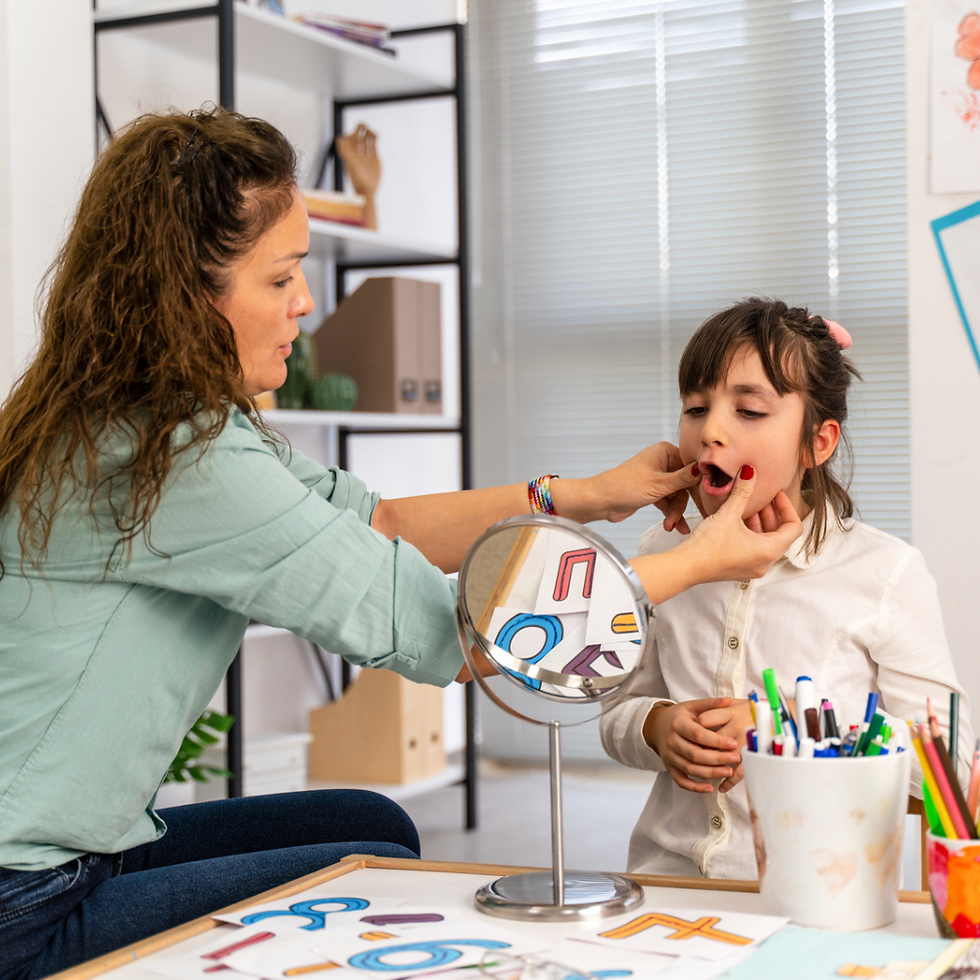
Orofacial Myofunctional Therapy, commonly known as OMT, focuses on the function and coordination of the muscles of the face and mouth. Depending on the individual needs of the patient, therapy may focus on improving:
Tongue posture
Lip posture
Nasal breathing habits
Swallowing patterns
Chewing function
Oral muscle coordination
Harmful oral habits
Every patient is different. For this reason, treatment should begin with a comprehensive evaluation and, when necessary, collaboration with other healthcare professionals.
When Should You Seek Professional Support?
Consider scheduling an evaluation if you or your child experience persistent signs such as:
Frequent mouth breathing
Sleeping with the mouth open
Chronic dry mouth
Snoring or restless sleep
Difficulty chewing
Difficulty swallowing
Unusual tongue posture
Persistent open-mouth posture
Concerns about oral or facial function
Remember: these signs do not necessarily indicate a specific condition or diagnosis. However, they may be important clues that deserve professional attention.
A Healthier Future Begins With Better Function
Breathing is something we do every day. So are swallowing, chewing, speaking, and resting our tongue. When these functions are working together efficiently, they can support overall health and well-being.
At OMT of New York, we believe that understanding how the orofacial system functions is an important step toward creating healthier habits and improving quality of life. Whether you are concerned about your child or experiencing long-standing symptoms yourself, an evaluation can help you better understand your individual needs.
Ready to Learn More?
If you have concerns about mouth breathing, tongue posture, swallowing, chewing, or other aspects of orofacial function, professional guidance can help determine the appropriate next steps. Schedule an Orofacial Myofunctional Therapy evaluation with Paula Petrone and begin your journey toward healthier function, improved awareness, and long-term well-being.


Comments